
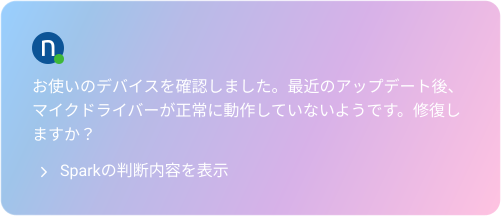

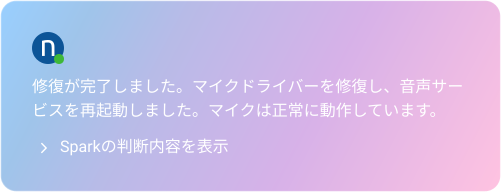

チケット不要。その場で問題を解決。
Sparkは、従業員が利用するあらゆるアプリケーションで発生するデジタルフリクションを瞬時に解消し、業務の停滞を防ぎます。
Sparkの仕組み
リアルタイムのDEXデータ、高度なITインテリジェンス、および自律的な修復を組み合わせることで、あらゆる問題について、適切な解決策と従業員に関する適切なコンテキスト情報を提供します。
Nexthink Sparkは、すべての従業員に自律的なITサポートを提供するAI搭載のパーソナルITエージェントです。Nexthinkのデジタル従業員エクスペリエンス(DEX)プラットフォーム上に構築され、リアルタイムのエンドポイントテレメトリ、AI主導の診断、ITが承認した自動化を使用して、チケットを作成することなく即座にIT問題を解決します。Sparkにより、従来のサービスデスク業務は、デジタル摩擦を排除しながら従業員の生産性を維持するゼロチケット・モデルへと変化します。
従業員はチャットおよび電話のチャネルを介した自然な会話を通じてSparkと対話します。Sparkは、既存のITセルフサービスポータルだけでなく、企業のメッセージングやコラボレーション環境でも機能します。従業員がわかりやすい言葉で自分の問題を簡単に説明すると、Sparkはデバイス、アプリケーション、ネットワークのコンテキストを即座に分析して、その問題をリアルタイムで診断し、解決します。チャットでも音声でも、従業員の働く場所を問わず、Sparkは迅速で摩擦のないITサポートを提供します。
Sparkは、コラボレーションアプリケーションの問題、VPN接続の問題、デバイスのパフォーマンス低下、エンドポイントエラー、オンボーディングに関する質問、ハウツーに関する質問、ITポリシーのガイダンスなど、レベル1の一般的なIT問題を自律的に解決します。DEXを活用した診断とITが承認した修復アクションを組み合わせることで、Sparkは問題をチケットキューにルーティングするのではなく、即座に解決します。
Sparkは、主要なDEXプラットフォーム上にネイティブに構築された唯一のパーソナルITエージェントです。チケットを記録したりナレッジ記事を提案したりする従来のITサービス管理(ITSM)向けチャットボットや一般的なAIコパイロットとは異なり、Sparkはエンドポイントの健全性やアプリケーションのパフォーマンス、ネットワークの状態に対するリアルタイムの可視性を備え、処置を講じる能力があります。単にリクエストに応じるだけでなく、根本原因を診断し、ITガバナンスの下で自律的な修復を実行します。
Sparkがあれば、IT組織は人員を増やすことなくサポートを拡張できます。Sparkは反復的なサービスデスクのリクエストを自律的に解決することで、チケット件数を削減し、解決時間を短縮し、運用のオーバーヘッドを低減します。サービスデスクチームは、リアクティブなトリアージから、自動化設計、デジタルエクスペリエンスの最適化、プロアクティブなIT運用など、さらに価値の高いイニシアチブに移行することができます。
ITがSparkの機能を完全にコントロールします。Sparkは、ITが管理するエージェントアクションとワークフローオーケストレーションによって明示的に承認されたアクションのみを実行します。ポリシーベースのガードレール、完全な監査ログ、および会話履歴により、透明性、コンプライアンス、ガバナンスが保証されます。Sparkは自律的に動作しますが、常にITが定義した境界の中で動作します。
Sparkには、チケットの削減、サービスデスクの効率化、時間の節約、および生産性の向上を追跡するエグゼクティブダッシュボードとバリューモデリングツールが含まれています。対話と解決のデータをNexthinkプラットフォームにフィードバックすることで、企業はコスト削減、デジタルエクスペリエンスの改善、自律的ITサポートのビジネスインパクトについて測定可能な可視性を得ることができます。
Sparkは、問題のパターン、解決結果、エスカレーションの傾向、および自動化の機会に関する詳細な運用インサイトを提供します。NexthinkのDEX分析基盤上に構築されているため、Sparkは個々の従業員とのやり取りをより広範なデジタルワークプレイスのトレンドと結びつけます。これにより、ITチームは体系的な問題を特定し、サービス品質を向上させ、サポート業務を継続的に最適化することができます。
Sparkは、従業員との対話、解決結果、およびITガバナンスの監視からのフィードバックを通じて継続的に改善されます。サービスデスクチームは、ワークフローを改良し、自動化機能を拡張し、ポリシーを調整して自律的な解決範囲を拡大できます。お客様の環境での実際の使用状況から学習することで、Sparkはより正確かつ効率的になり、お客様のデジタルワークプレイスにさらに適合するようになります。
はい。Sparkは最新のエンタープライズIT環境にシームレスに統合され、ITサービス管理プラットフォーム、コラボレーションシステム、メッセージングシステム、ナレッジベース、IDプロバイダー、およびエンドポイント管理ツールに接続できます。Sparkは、チャットおよび電話のチャネルを介したサポートの自律的なフロントラインとして機能しながら、会話や修復アクションをITSMに記録します。
最新のアーキテクチャ向けに構築されたSparkは、セキュアなエージェント間通信プロトコルもサポートしており、AIエージェント、自動化プラットフォーム、企業システム間の相互運用性を実現します。Sparkは既存のツールを置き換えるのではなく、インテリジェントかつ自律的な解決レイヤーを追加することでツールを強化し、ゼロチケットITサポートへの移行を促進します。